
Introduction: Navigating the Future of Electric Mobility
Imagine cruising down a scenic highway, the sun setting beside you, as your electric vehicle (EV) seamlessly adjusts to the terrain. AION, a leader in EV innovation, makes this a reality. But what sets the best AION models apart from the rest? In a world where adaptability trumps rigidity, how does AION redefine the electric driving experience? With the rapid evolution of edge computing nodes in automotive tech, the question remains: are traditional rigid designs approaching obsolescence? Join us as we delve deeper.
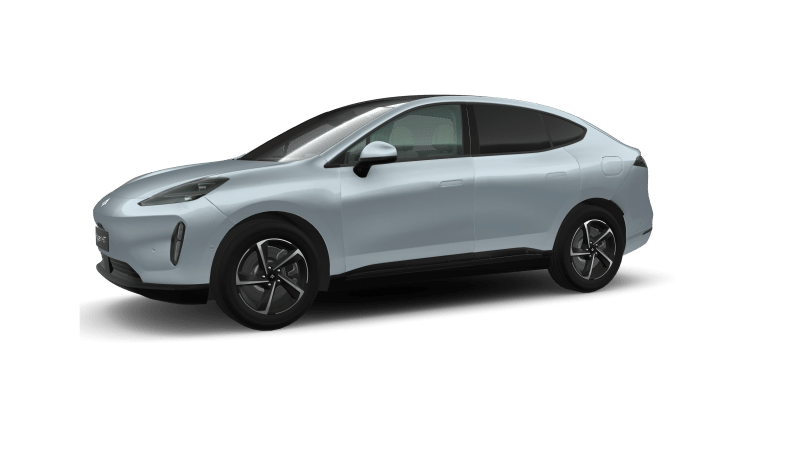
Highlighting Hidden Flaws in Traditional EV Solutions
Most EVs boast cutting-edge designs, yet many still grapple with power inefficiencies and inflexible systems. Conventional solutions rely heavily on rigid power converters and outdated battery management systems that don’t mesh well with today’s dynamic demands. This rigidity, although initially perceived as robust, often limits performance and adaptability—quite ironic in an era of rapid technological advancement, isn’t it? Look, it’s simpler than you think: Without integrating forward-thinking technologies like real-time edge computing nodes, these vehicles lag in performance, unable to provide the seamless experience users crave.
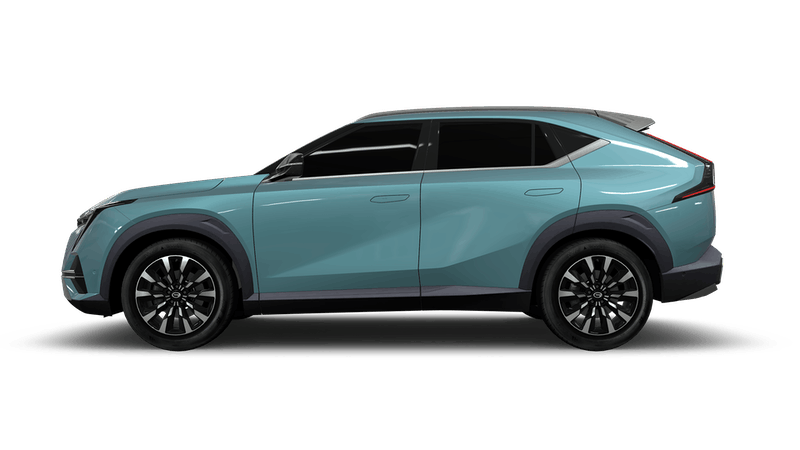
So, What’s Being Overlooked?
Two major pain points often fly under the radar. First, the restricted energy flow in these systems often leads to inefficiencies and potential overconsumption. Second, the lack of modular adaptability means these vehicles can’t leverage new technology without significant overhauls. Integrating adaptable solutions not only resolves these pain points but also propels vehicles (like the best AION) into a future-ready state. Funny how that works, right? As we shift gears, let’s take a closer look at how these adaptable technologies set the stage for future enhancements.
Forward-Looking Adaptability and AION’s Edge
Embracing new technology principles like adaptive energy management and modular battery designs, AION leads by example. With the AION price offering competitive value, these innovations don’t just predict the future—they actively shape it. Semi-formal as it may sound, the real-world impact of these advancements is undeniable. By focusing on flexibility, AION ensures that as technology evolves, their vehicles will evolve right alongside it—without missing a beat.
Real-world Impact
Incorporating such technology allows for more responsive driving experiences and smarter energy use—proving that a vehicle’s value goes beyond its initial AION price. Moving beyond theoretical advantages, users feel tangible improvements in range and performance, granting them a distinct edge on the road. So what does all of this mean for the future? It suggests that incorporating adaptable, modular technology into EV design isn’t just a passing trend; it’s a lasting shift towards more efficient, sustainable automotive solutions.
Wrapping things up, these lessons from AION highlight the measurable impact versatility has on vehicle performance. It’s clear that evaluating solutions based on adaptability, technology integration, and energy management (the three musketeers of modern EV design) will guide future innovations. As we look forward, embracing such adaptive changes is not merely an option; it’s a necessity for those leading the charge. For more insights on pioneering automotive technology, visit GAC.
