
Eid is a time of celebration, family gatherings, and festive fashion. Every year, women eagerly look for the perfect outfit that combines elegance with tradition.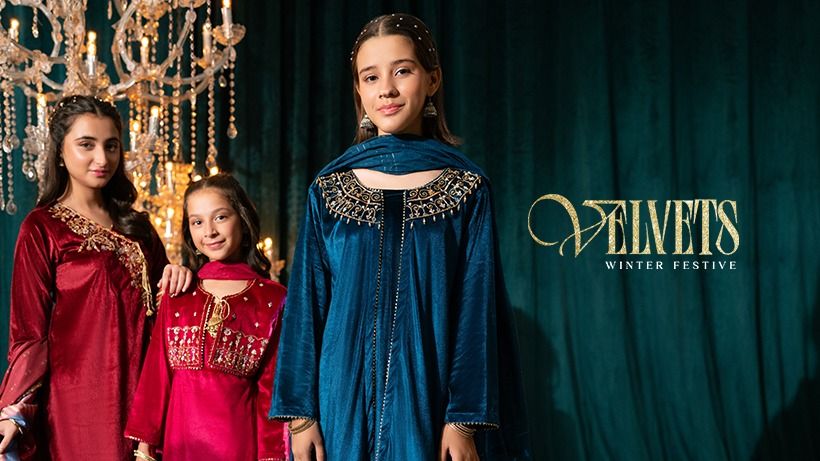
At the heart of these outfits is the eid dress design, which reflects cultural richness, modern trends, and personal style.
Understanding the special detailing in an Eid dress can transform a simple outfit into a statement piece. In this guide, we will explore everything from fabric choices to embroidery, patterns, and embellishments to help you understand how intricate details can elevate your Eid attire.
Understanding the Importance of Eid Dress Design
The eid dress design is not just about style; it embodies tradition, culture, and personal expression. A well-crafted design ensures that the wearer feels confident and elegant during the festivities. Special detailing in these dresses often sets them apart from everyday wear, creating a sense of occasion and sophistication. For instance, subtle embroidery or beadwork can turn a simple silhouette into a stunning ensemble.
Fabric Choices and Their Impact on Detailing
The foundation of any exquisite eid dress design begins with fabric selection. Fabrics not only determine comfort but also affect how detailing is executed. Popular fabrics for Eid dresses include:
-
Silk: Luxurious and smooth, ideal for intricate embroidery.
-
Chiffon: Lightweight and flowy, perfect for layered detailing.
-
Cotton: Breathable, often used for casual or semi-formal designs.
-
Georgette: Soft and slightly textured, suitable for draping and embellishments.
-
Velvet: Rich and plush, ideal for winter Eid celebrations with heavy detailing.
The right fabric ensures that embellishments such as sequins, beads, or thread work hold well and enhance the overall aesthetic of the dress.
The Role of Embroidery in Eid Dress Design
Embroidery is a defining feature of any premium eid dress design. It adds elegance, texture, and artistry to the outfit. Various embroidery techniques can be incorporated depending on the style and occasion:
-
Zari Work: Metallic threads woven into patterns create a regal and traditional look.
-
Resham Work: Colorful threads form delicate patterns, suitable for modern and youthful designs.
-
Mirror Work: Tiny mirrors are stitched to catch light and add sparkle.
-
Sequins and Beadwork: These embellishments enhance glamour and are often used for festive celebrations.
Each embroidery style contributes uniquely, making the dress stand out and reflect personal taste.
Neckline and Sleeve Detailing
The neckline and sleeves play a significant role in defining the elegance of an eid dress design. Designers focus on these areas to balance the overall look:
-
Necklines: Popular options include boat neck, V-neck, round neck, and high neck with embroidery or lace borders.
-
Sleeves: Bell sleeves, sheer sleeves, and embellished cuffs add sophistication without overwhelming the design.
-
Layered Sleeves: Layering with lace or chiffon can create a soft, flowing appearance that enhances movement.
These elements, while subtle, impact how the dress frames the wearer and complements accessories like jewelry or dupattas.
Embellishments and Their Significance
Embellishments transform a simple eid dress design into a statement piece. Beyond embroidery, designers often use:
-
Sequins and Crystals: Add shimmer and catch festive lights beautifully.
-
Lace Appliqué: Creates depth and texture without adding bulk.
-
Pearls and Beads: Offer a classic, timeless elegance.
-
Fringe and Tassels: Introduce playful elements to youthful designs.
The key to successful embellishments lies in balance. Overdoing can make the dress look heavy, while subtle placement enhances sophistication.
Color Choices in Eid Dress Design
Color is a vital part of any eid dress design. Traditional colors like pastels, deep reds, emerald greens, and royal blues dominate festive wardrobes, but modern trends now incorporate bold shades and ombre effects. Color choice affects how detailing is perceived:
-
Light fabrics with soft embroidery exude elegance.
-
Dark colors with metallic embellishments create a luxurious appearance.
-
Contrasting thread work or dupatta borders can highlight craftsmanship.
Choosing the right color palette ensures the dress aligns with the wearer’s personality and the occasion’s vibrancy.
Patterns and Motifs
Patterns and motifs give a eid dress design character. These can range from floral designs to geometric patterns, each carrying cultural significance:
-
Floral Motifs: Symbolize beauty and celebration, often used for spring or summer Eid.
-
Geometric Patterns: Introduce a modern twist to traditional designs.
-
Paisley Designs: Timeless and often paired with intricate embroidery for a rich look.
-
Cultural Symbols: Some dresses incorporate motifs inspired by local art or heritage.
When combined thoughtfully with embellishments and embroidery, patterns transform the dress into a visual masterpiece.
Dupatta Styling and Detailing
No eid dress design is complete without the dupatta. It acts as a complementary piece that enhances the outfit’s elegance:
-
Embroidered Borders: Match or contrast with the dress to create harmony.
-
Sequined Edges: Add sparkle without overwhelming the overall look.
-
Layered Dupattas: Multiple layers or fabrics create depth and a flowy effect.
-
Tassel and Lace Finishing: Introduce subtle charm and movement.
A well-detailed dupatta can elevate even the simplest dress, emphasizing the festive appeal.
Fitting and Silhouette
The silhouette of an eid dress design affects both comfort and style. Special detailing often emphasizes the structure of the dress:
-
A-line: Flattering for most body types, with embroidered panels or lace inserts.
-
Mermaid: Accentuates curves, often paired with sequined or metallic embroidery.
-
Straight Cut: Elegant and modern, allows subtle embellishments to shine.
-
Layered Dresses: Multiple layers with lace, chiffon, or tulle create a royal look.
Perfect fitting ensures that the detailing is displayed prominently and the wearer feels confident.
Accessories and Their Integration
While the eid dress design is the centerpiece, accessories play a key role in completing the look. Coordinating jewelry, footwear, and handbags with dress detailing enhances the overall style. For example:
-
Statement Earrings: Pair with simple embroidery for balance.
-
Embellished Footwear: Complements sequins or beadwork.
-
Minimal Jewelry: Works well with heavily embroidered or embellished dresses.
Integration of accessories with dress detailing ensures a cohesive and polished appearance.
Modern Trends in Eid Dress Detailing
Modern eid dress design blends traditional craftsmanship with contemporary fashion trends:
-
3D Embroidery: Adds a unique dimension to the fabric.
-
Digital Prints: Combine traditional motifs with modern prints for innovation.
-
Minimalistic Detailing: Focuses on subtle elegance rather than heavy embellishment.
-
Sustainable Fabrics: Eco-friendly materials are becoming popular, reflecting conscious fashion choices.
Keeping up with trends while respecting cultural elements helps designers create timeless yet modern outfits.
Tailoring Tips for Enhanced Detailing
Special detailing in an eid dress design often requires expert tailoring. Key tips include:
-
Ensuring embroidery is aligned symmetrically for balance.
-
Reinforcing seams where heavy embellishments are placed.
-
Allowing enough space for movement without compromising the design.
-
Using quality threads, beads, and sequins for durability.
Attention to these details ensures that the dress not only looks beautiful but lasts beyond the festival.
Maintenance and Care for Detailed Dresses
High-quality detailing requires proper care. For a sophisticated eid dress design:
-
Dry Clean Only: Especially for silk, velvet, and heavy embroidery.
-
Storage: Use garment bags to prevent dust and damage.
-
Handling Beads and Sequins: Avoid pulling or snagging during wear.
-
Ironing: Use low heat and protective cloth for delicate embroidery.
Proper maintenance preserves the intricacy and elegance of your dress, allowing it to be cherished for years.
The Cultural Significance of Detailing
Special detailing in an eid dress design is more than aesthetic—it often reflects cultural heritage. Techniques like zari work or traditional motifs honor craftsmanship passed down generations. Choosing a dress with such detailing connects the wearer to their cultural roots while celebrating contemporary fashion.
Conclusion
The art of eid dress design lies in balancing elegance, tradition, and personal style. Special detailing—through embroidery, embellishments, patterns, fabric choice, and tailoring—transforms a simple outfit into a masterpiece suitable for the joyous occasion of Eid. From selecting the right fabric to choosing motifs, color palettes, and accessories, every detail contributes to the overall aesthetic and feel of the dress. Understanding these elements helps women make informed choices, ensuring they look and feel their best during the celebrations. Whether opting for traditional designs or modern interpretations, attention to detail is what elevates an Eid dress from ordinary to extraordinary.
Eid fashion is more than clothing; it is an expression of culture, artistry, and personality. With this comprehensive guide to special detailing, anyone can appreciate the craftsmanship behind a stunning eid dress design and make choices that celebrate both tradition and modern style.
